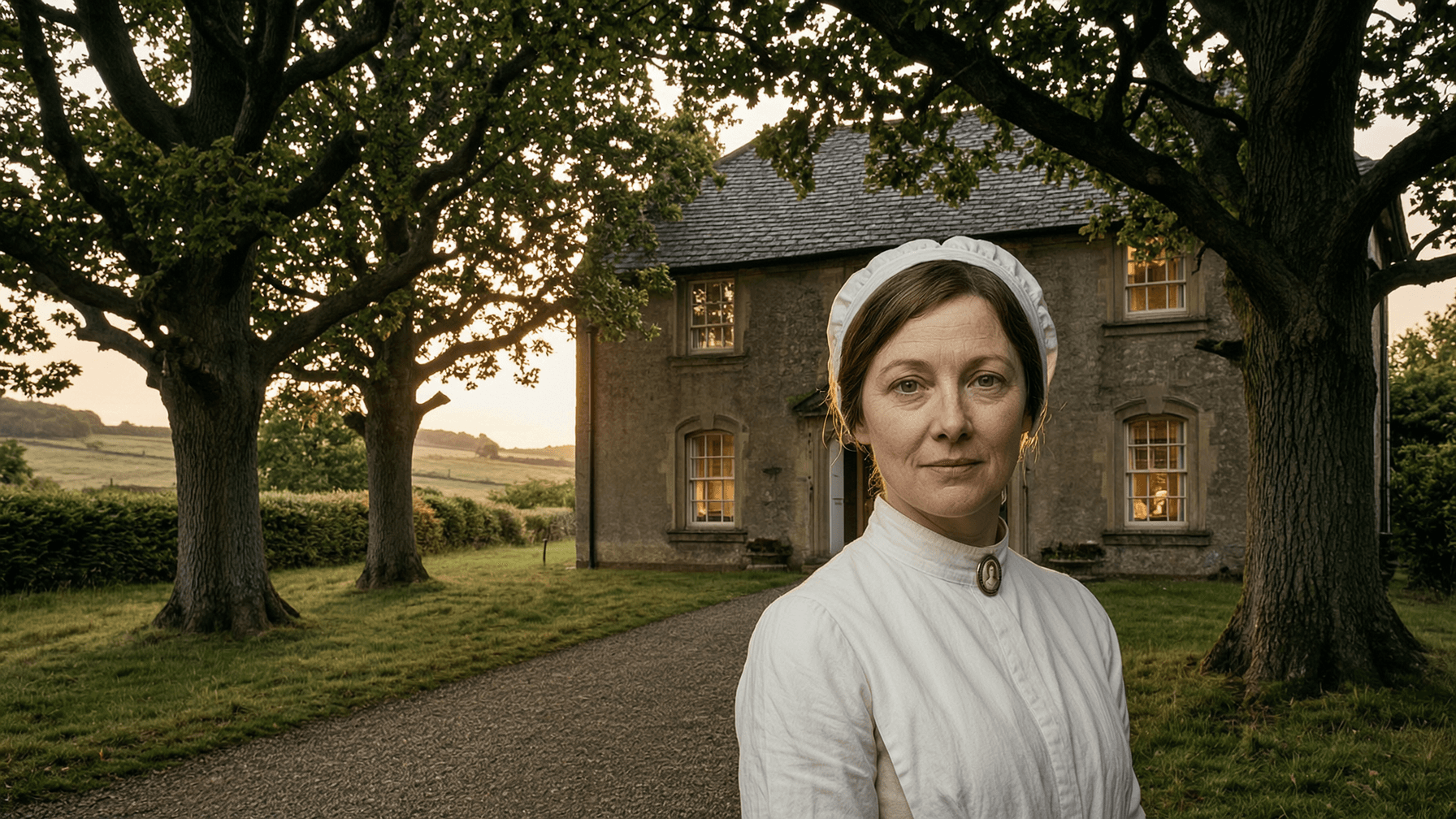
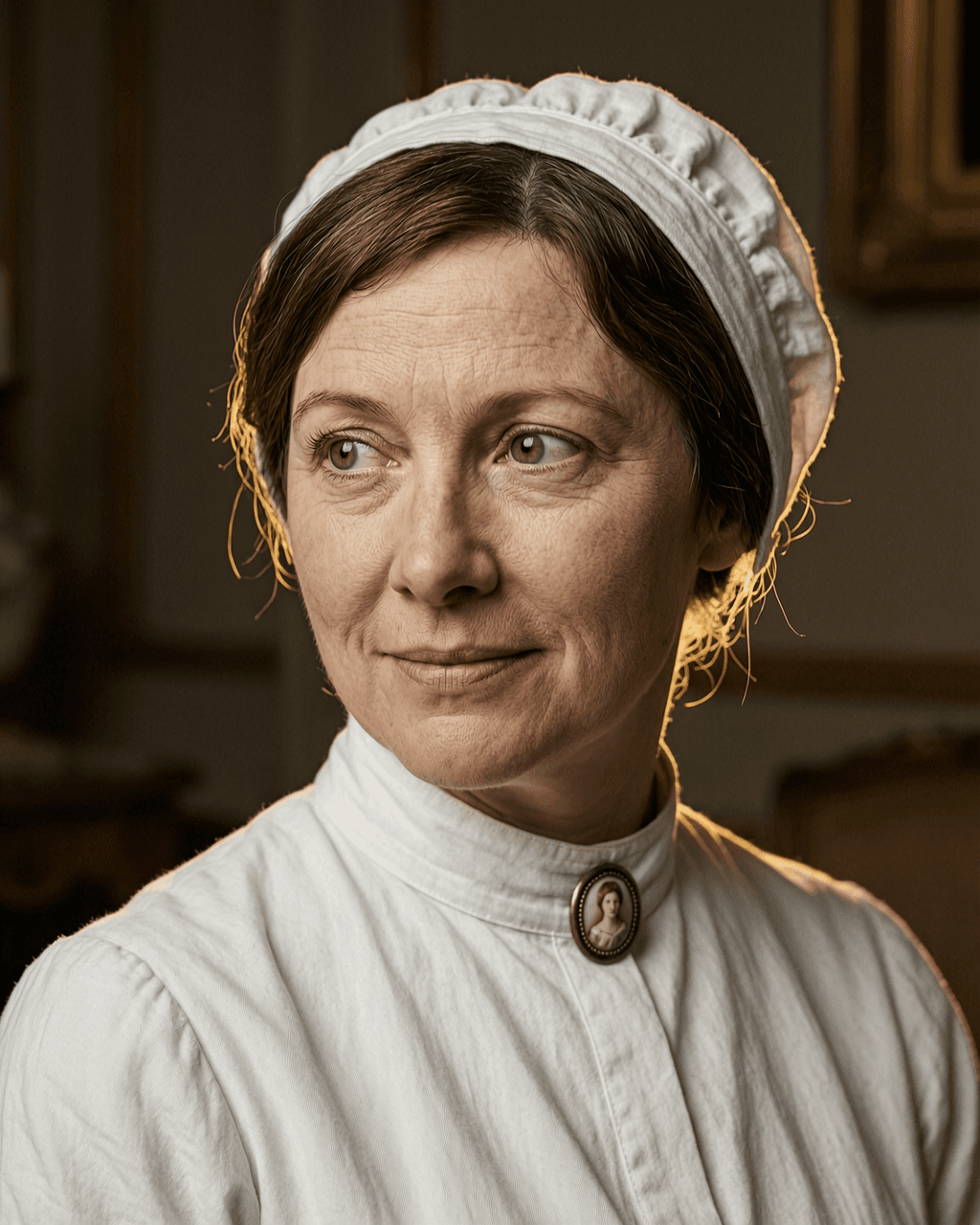
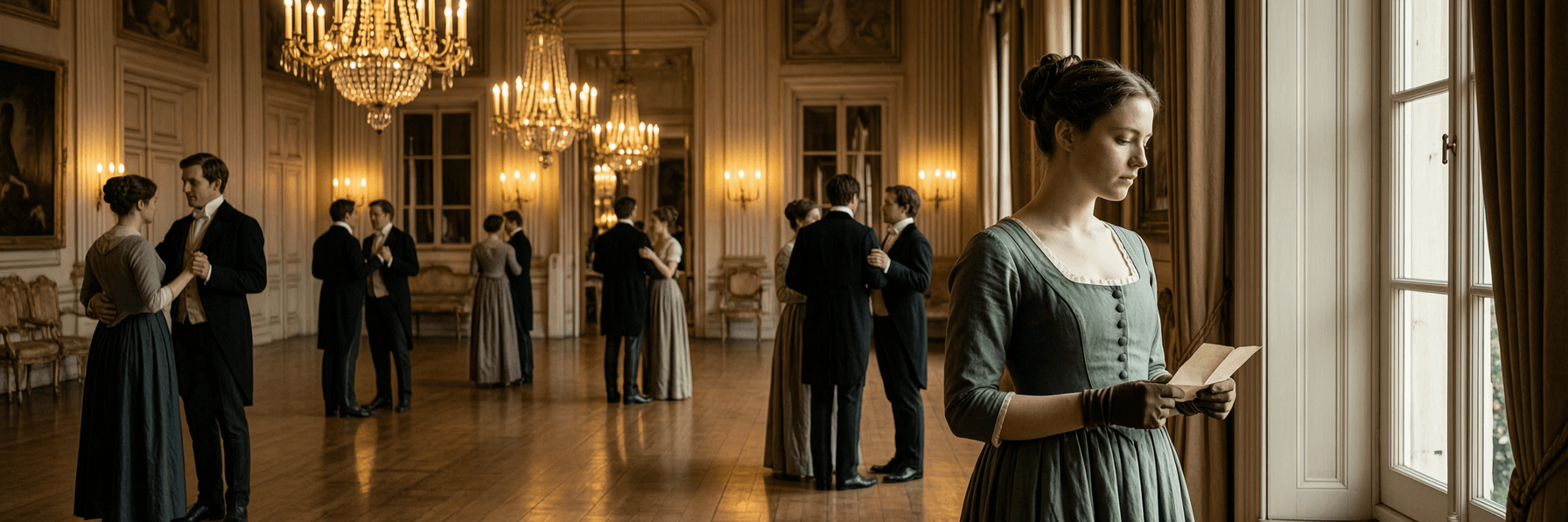
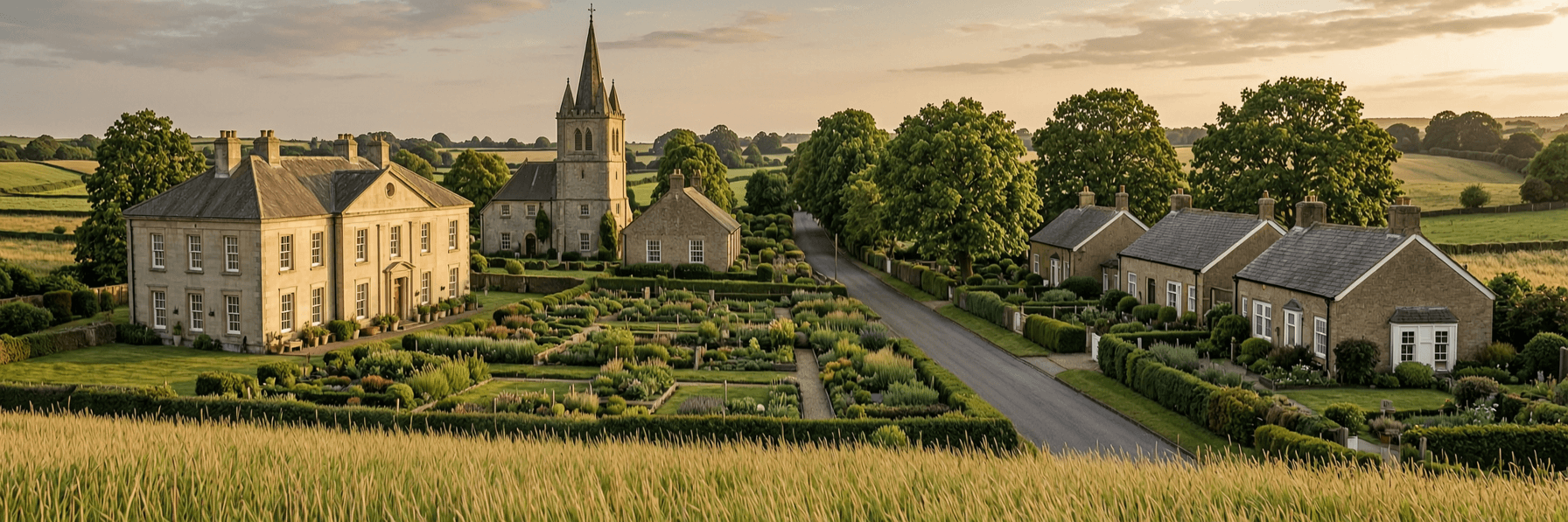
The Regency period (1811-1820) — named for the Prince of Wales who governed while his father George III was incapacitated — was the England of Jane Austen's mature work. It was a period of rigid social stratification and extraordinary artistic fertility. The Napoleonic Wars were reshaping Europe; the Industrial Revolution was reshaping the landscape; and in the drawing rooms of country houses, a very specific social world was performing its rituals with an intensity that came partly from knowing they were fragile. The landed gentry who populate Austen's novels were already an endangered species. She documented them with the precision of someone who understood what was coming.
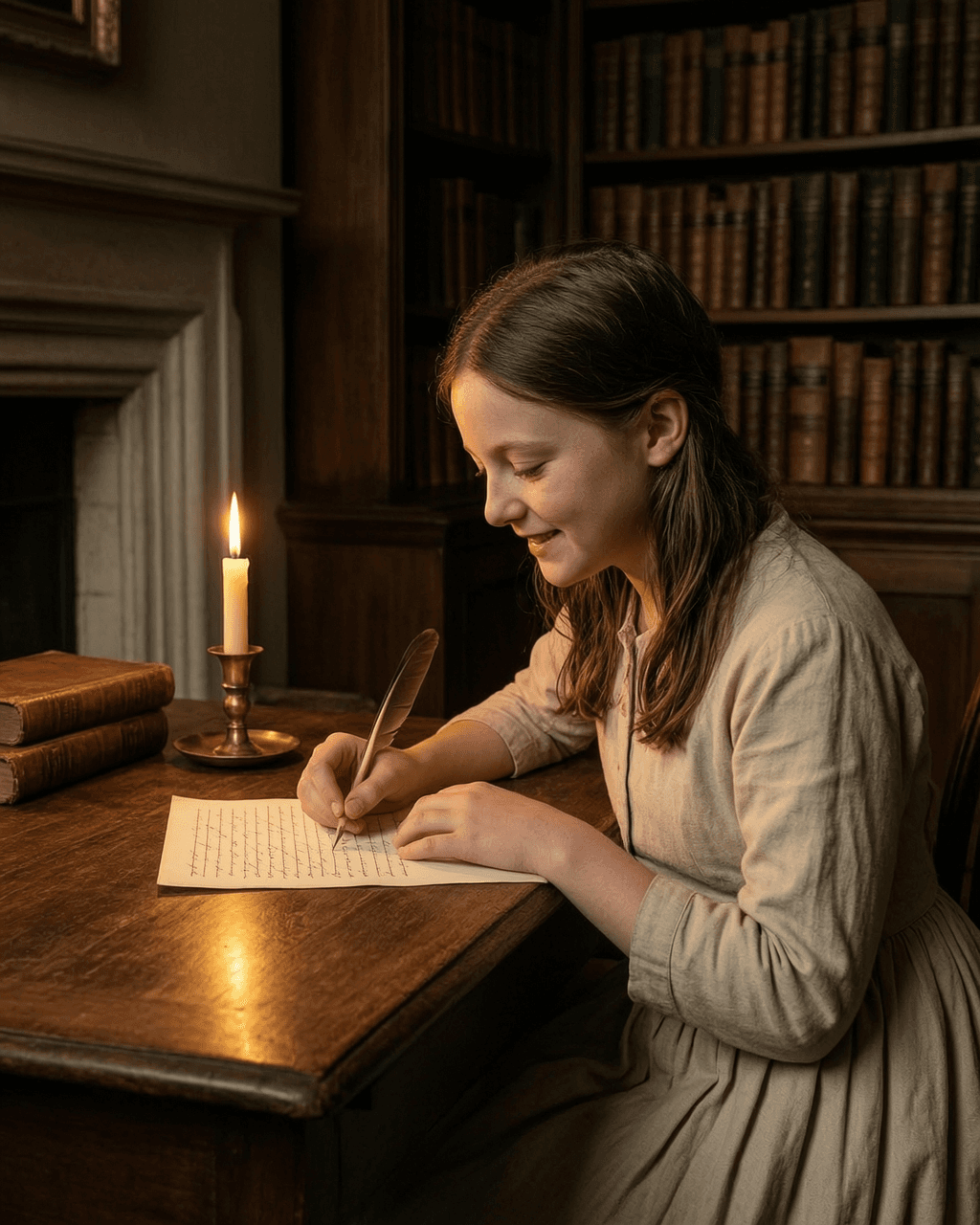
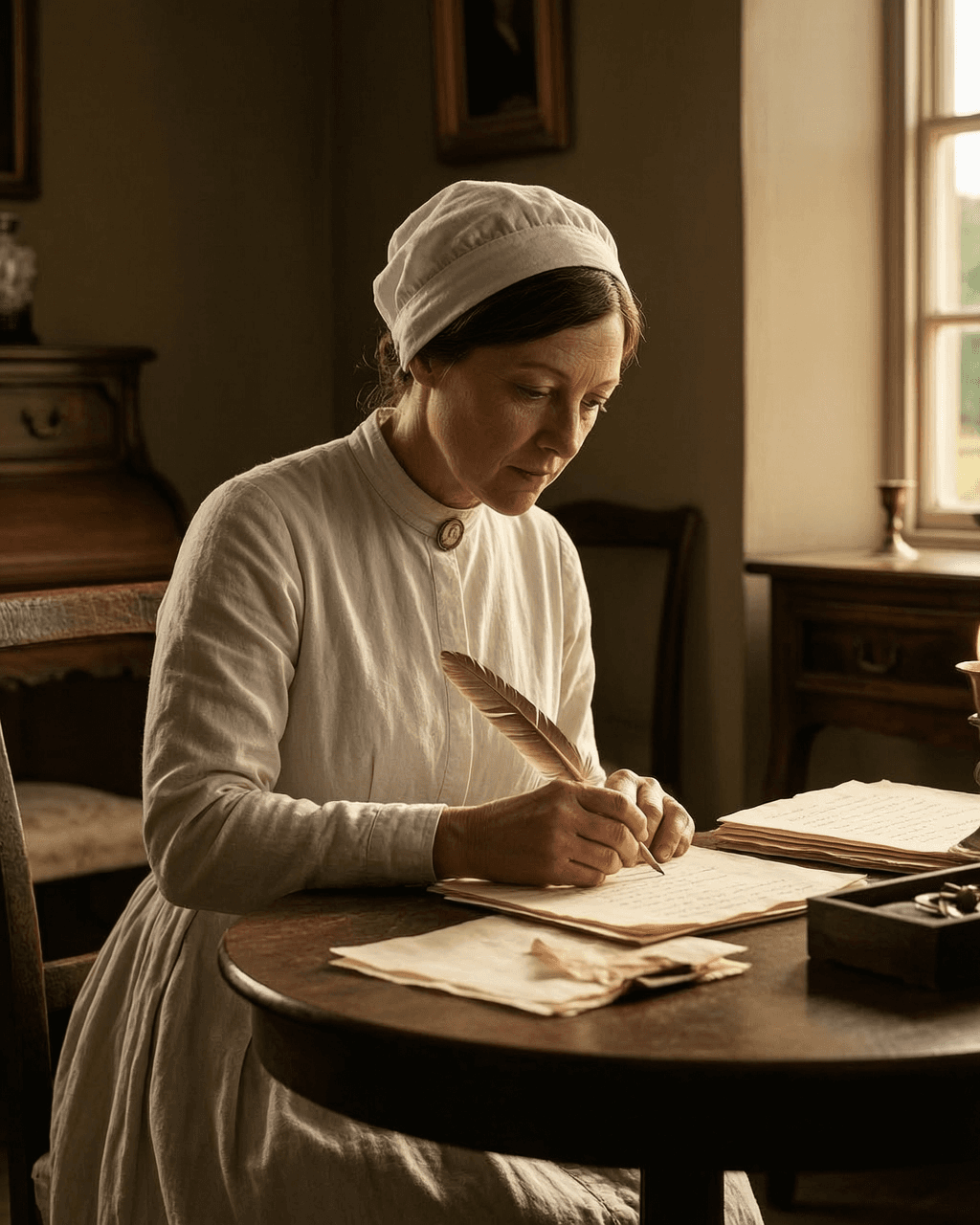
Austen worked within the tradition of the novel at a crucial moment in its development. Richardson and Fielding had established the form; Gothic novelists had pushed it toward sensation and melodrama; Austen folded both traditions back toward a social and psychological realism the novel had not previously attempted at this precision. Her six completed novels created a template for the rendering of interior life — for the gap between what characters say and what they think — that Victorian novelists inherited and the twentieth century did not substantially improve. She wrote without knowing she was creating a tradition, on a small table, hiding the pages when anyone came in.
1775 — Born at Steventon rectory, Hampshire; seventh of eight children
1795 — Drafts early versions of Sense and Sensibility and Pride and Prejudice
1811 — Sense and Sensibility published anonymously, "By a Lady"
1813 — Pride and Prejudice published; identity an open secret in London literary circles
1817 — Dies at Winchester, aged 41; Persuasion and Northanger Abbey published posthumously