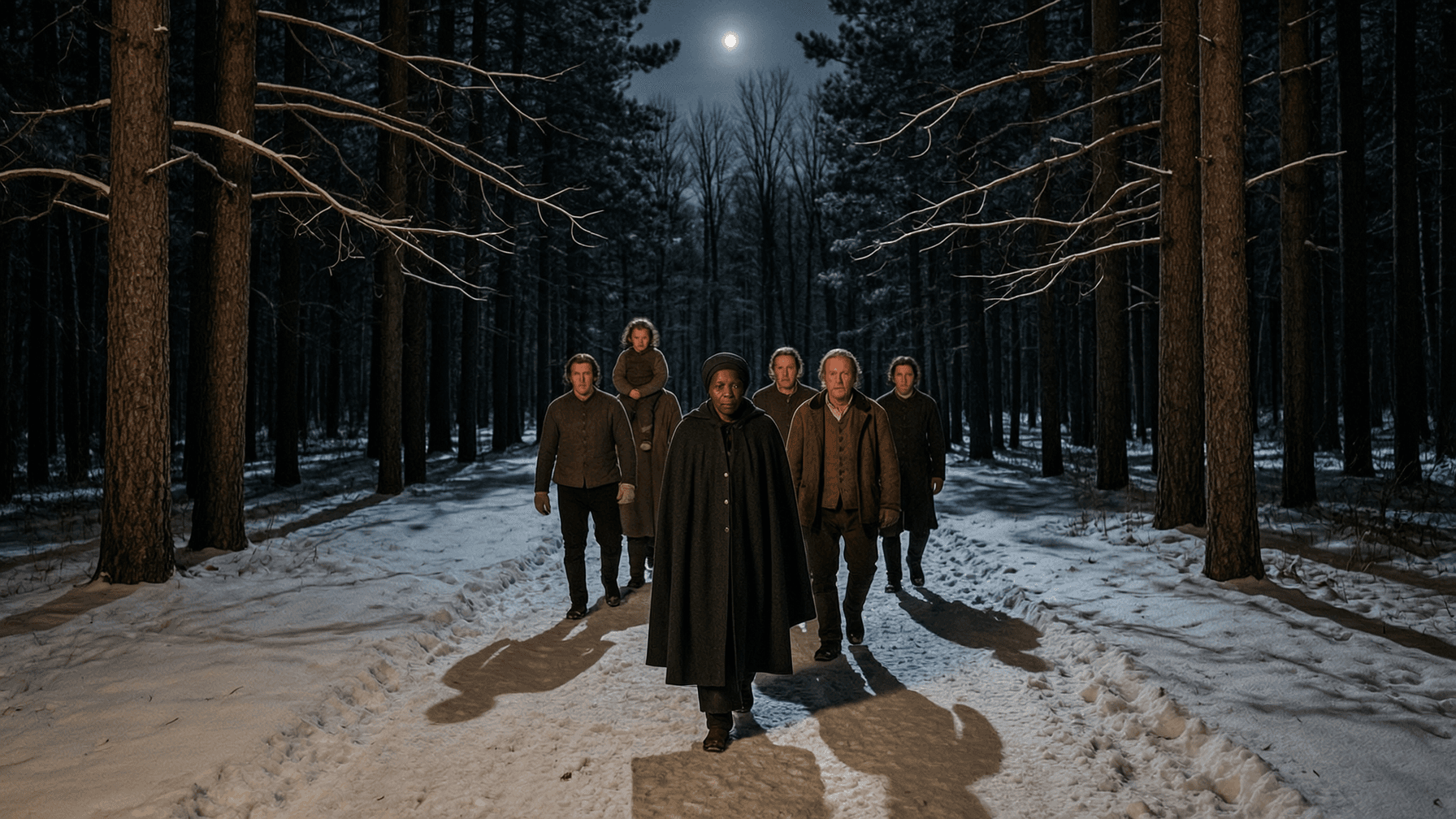
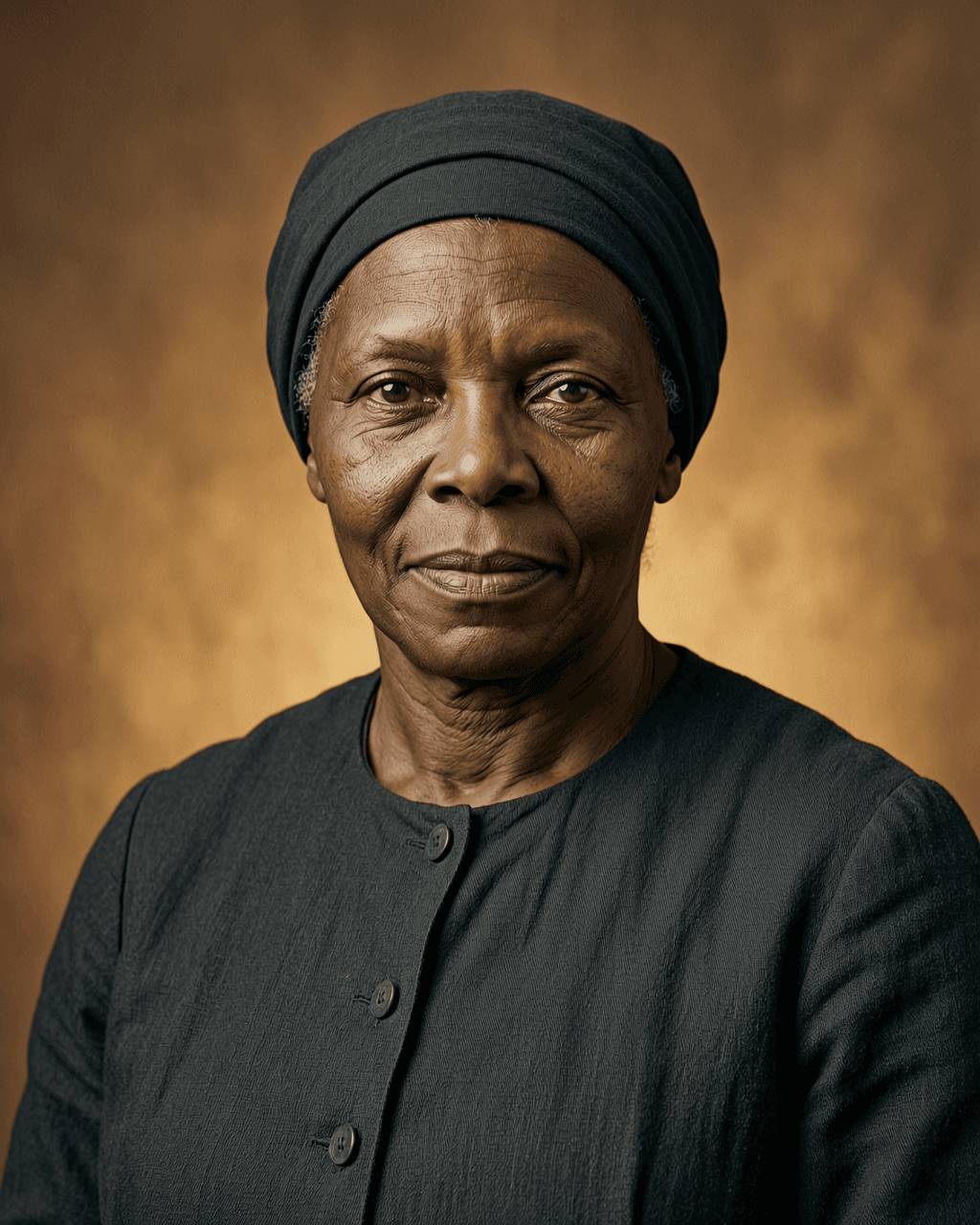
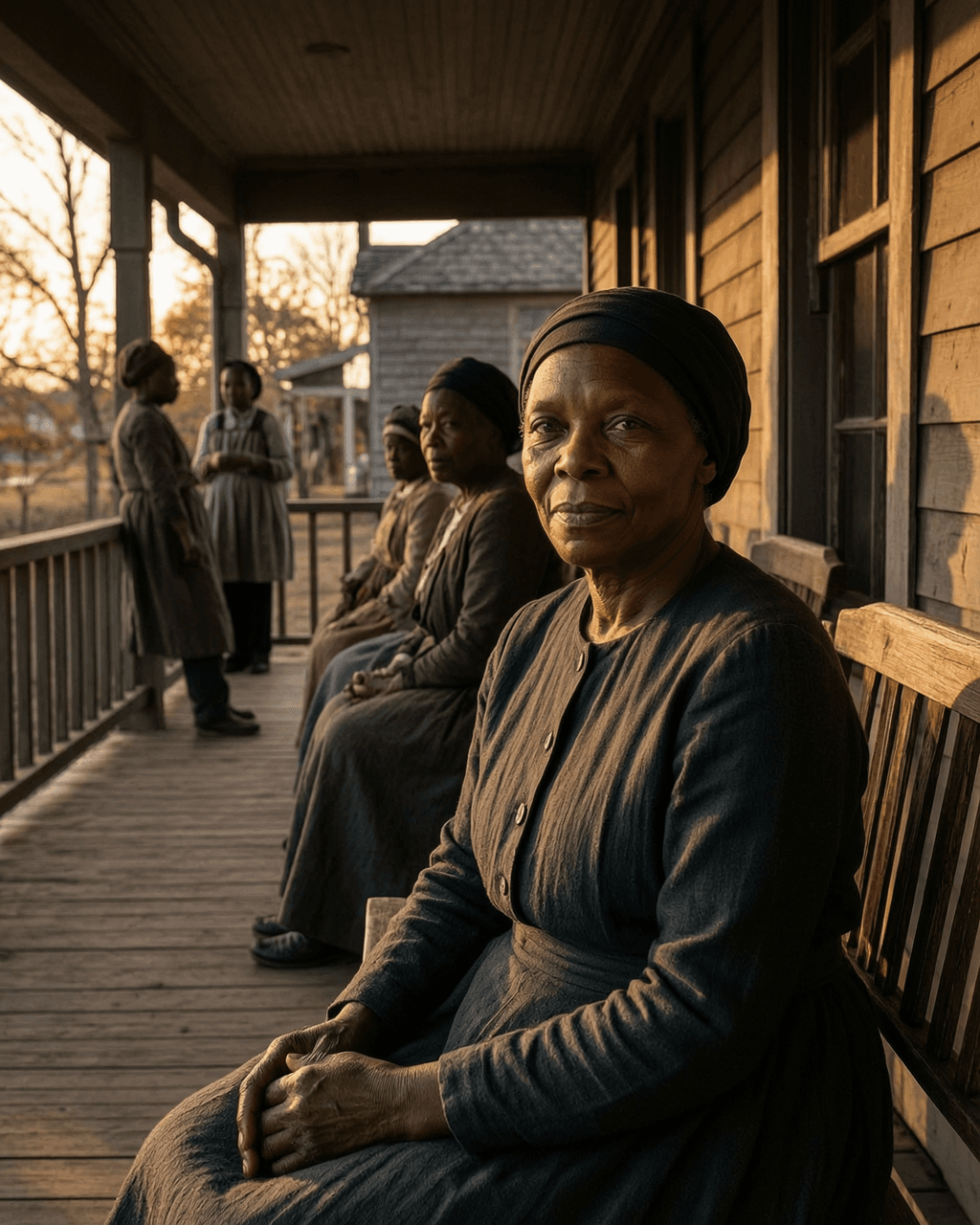
Harriet Tubman's life spanned the most violent rupture in American history. She was born into a slave society that was, in the decades before the Civil War, becoming more rigid and more brutal as the abolitionist movement grew louder and the South became more invested in defending the institution economically and ideologically. The Fugitive Slave Act of 1850, which she navigated by routing freedom seekers to Canada, was a direct response to abolitionist pressure — a tightening of the system precisely because the system felt threatened. The Underground Railroad, in which she was the most active single conductor, was a decentralized network of free Black families, escaped enslaved people, and white abolitionists who used a combination of safe houses, coded communication, and extraordinary personal courage to move perhaps 100,000 people to freedom over several decades.
The Civil War, which Tubman served as spy, nurse, and military commander, ended legal slavery in the United States with the Thirteenth Amendment in 1865. It did not end the project that slavery had created. The Reconstruction period that followed was systematically dismantled in the following decades through a combination of political violence, legal restriction, and economic exclusion. Tubman spent the fifty years after the war fighting for the vote, running a home for the elderly poor, and watching the country she had risked her life for fail to become what it had promised to be. She kept going. She was still giving speeches for women's suffrage in her eighties. The vote she spent decades fighting for was granted to women in 1920, seven years after her death.
c.1822 — Harriet Tubman born Araminta Ross, Dorchester County, Maryland
c.1835 — Skull fracture from overseer's thrown weight; narcoleptic visions begin
1849 — Escapes slavery alone; arrives in Philadelphia
1850–1860 — Thirteen missions south; frees approximately 70 people; called Moses
1863 — Leads Combahee River Raid; liberates 727+ enslaved people in one night
1865 — Civil War ends; Thirteenth Amendment abolishes slavery
1908 — Harriet Tubman Home for Aged and Indigent Colored People opens in Auburn, NY
1913 — Dies March 10 in Auburn, New York, age approximately 91