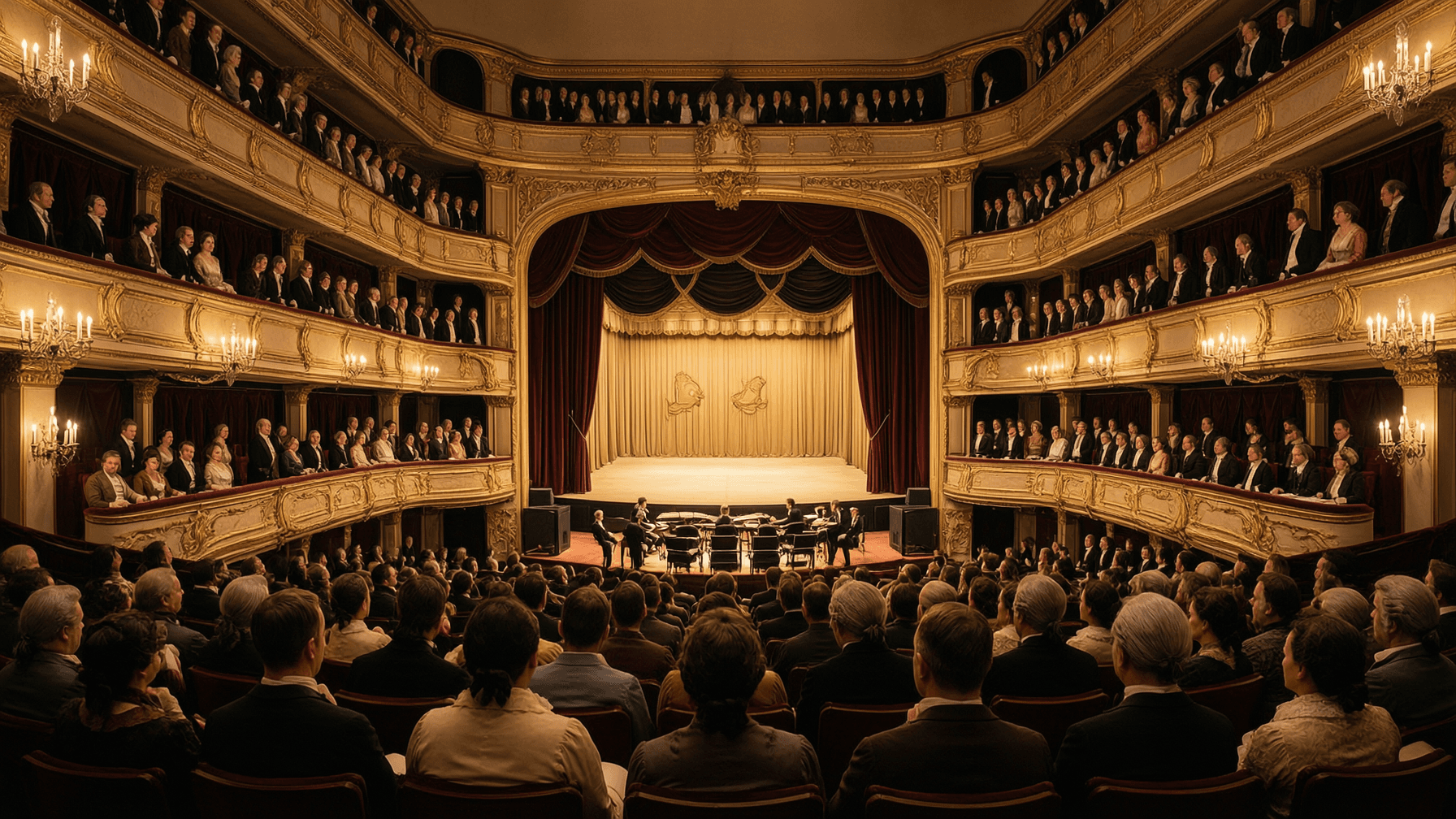
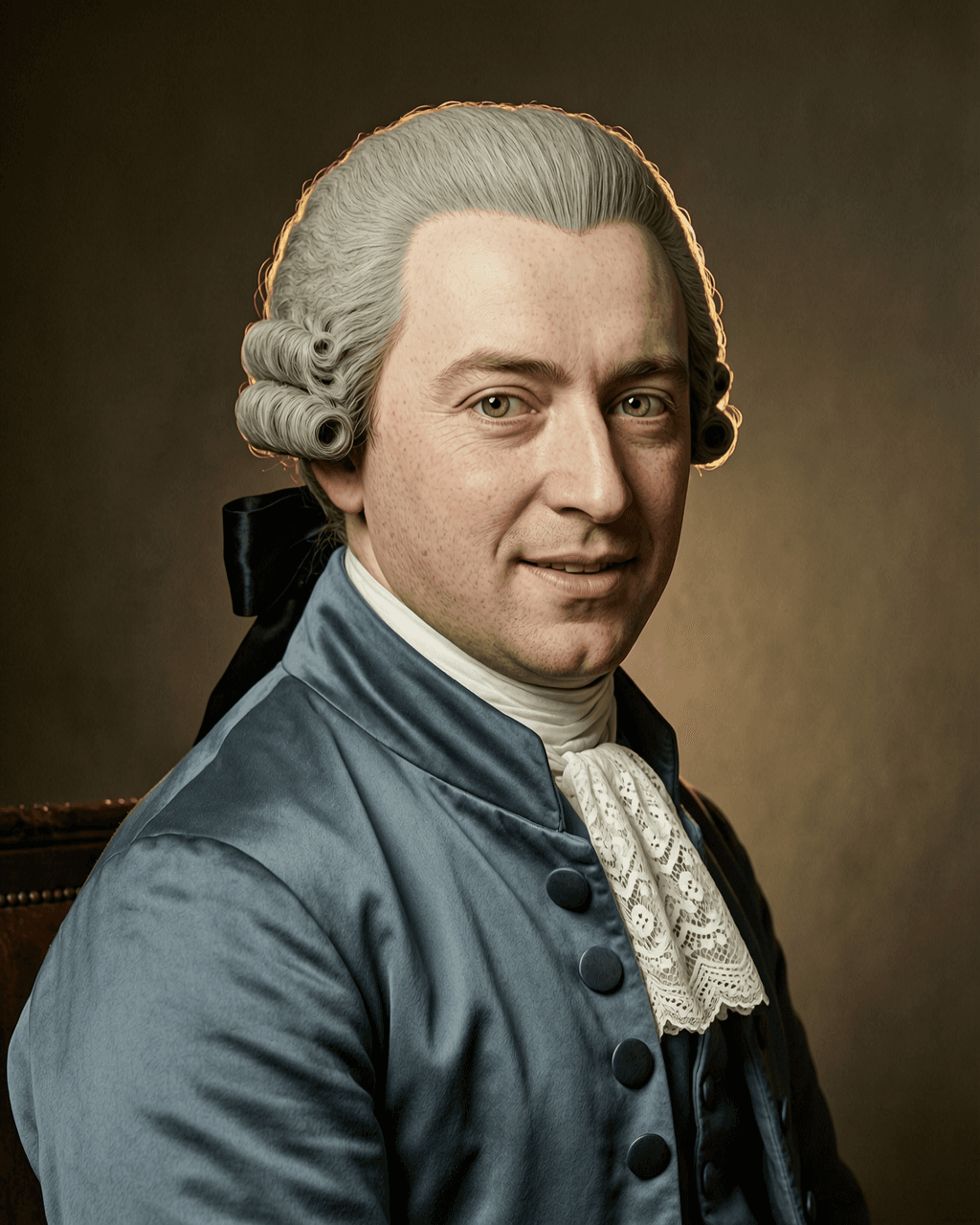
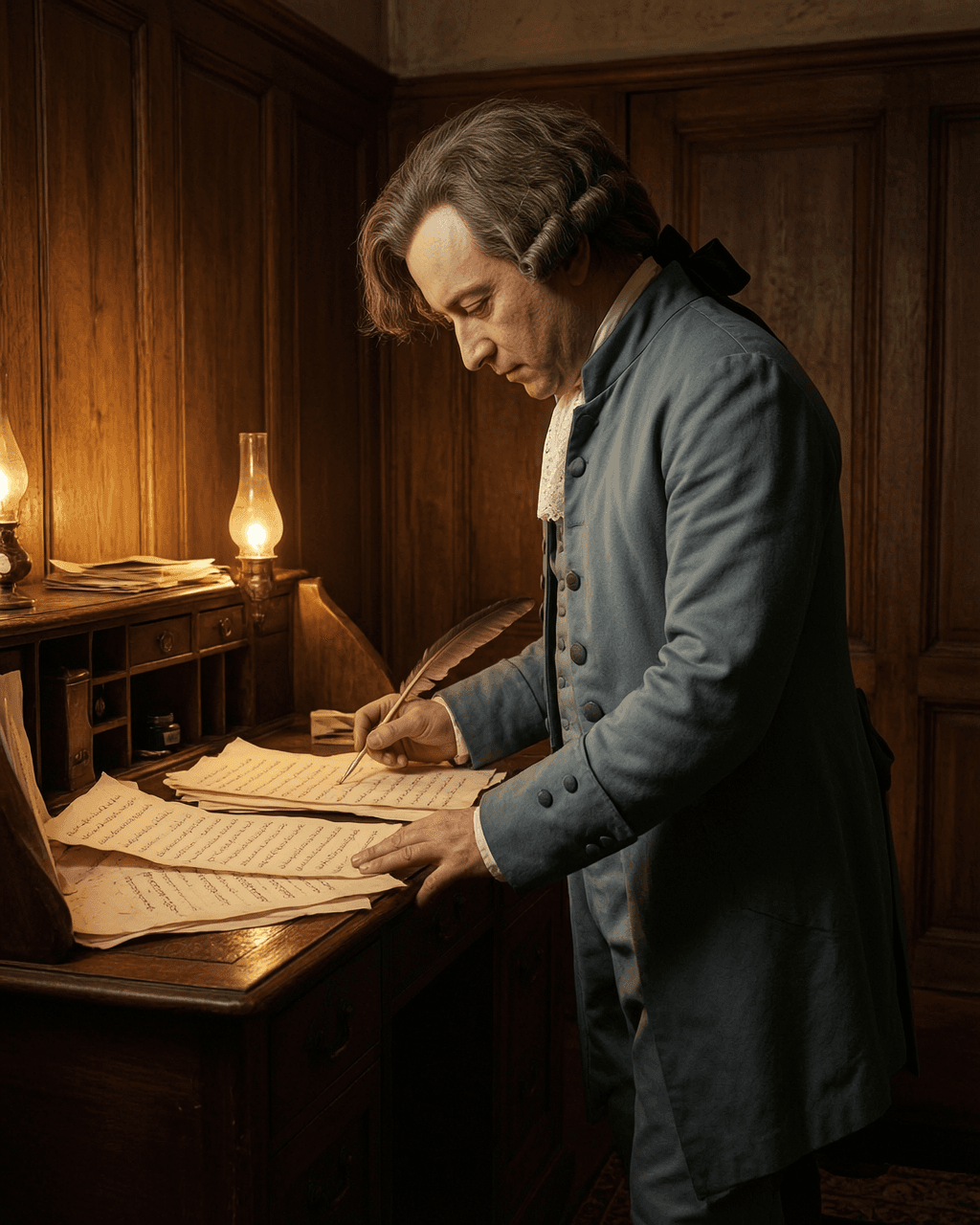
The Classical era in Western music (roughly 1750–1820) represents the period in which the formal structures of the previous Baroque age — the fugue, the suite, the concerto grosso — were reorganized into the sonata form, the string quartet, and the symphony that would define European concert music for the next century. Haydn, Mozart, and the young Beethoven were its central figures. The aesthetic was clarity over complexity, expressiveness within formal constraint, the balance between rule and feeling that Mozart described when he said his piano concertos were neither too easy nor too difficult. The Vienna of the 1780s was the center of this world: a city of 250,000 people, the capital of the Habsburg Empire, with an active court, a growing bourgeois concert public, and a culture of musical patronage that was beginning to shift from aristocratic household employment toward the public concerts and private commissions that Mozart was trying to live by.
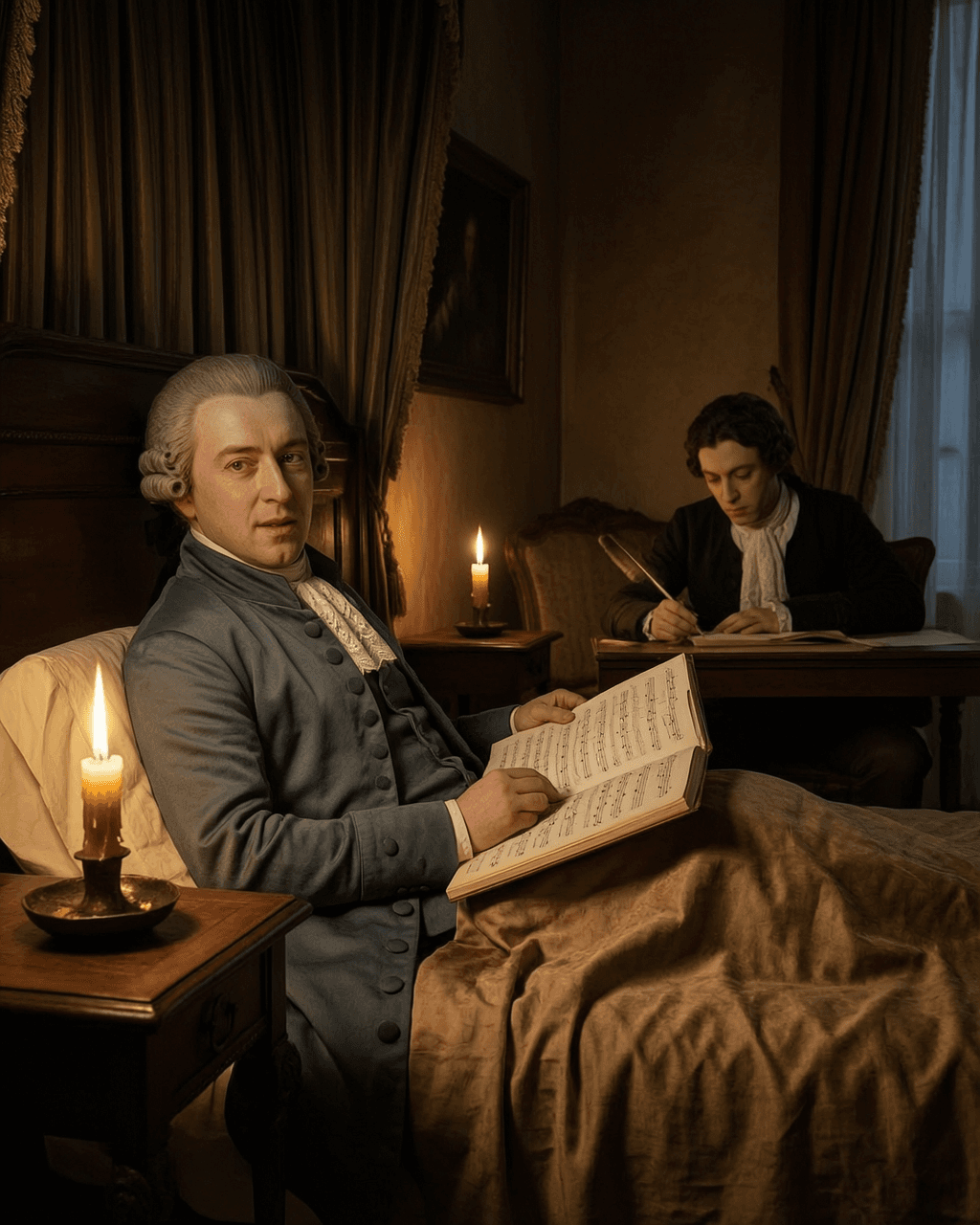
Leopold Mozart's role in his son's story is complex and not entirely admirable. He was a skilled musician and an astute observer of talent; his Violin School, published in 1756, was a standard pedagogical text for decades. He also managed Wolfgang's career with a ferocity that was partly parental ambition and partly financial necessity — the Mozart family was not wealthy, and the prodigy tours were income. The cost to Wolfgang of being perpetually managed, judged, and required to demonstrate his gifts for strangers is impossible to calculate precisely, but it is visible in the letters: the urgency of his need for approval, the anger at constraint, the relief of Vienna. Leopold died in 1787 without fully reconciling with his son's choices. The last letters between them are careful and sad.
1756 — Wolfgang Amadeus Mozart born in Salzburg, January 27
1762 — First European tours begin; performs for Empress Maria Theresa in Vienna
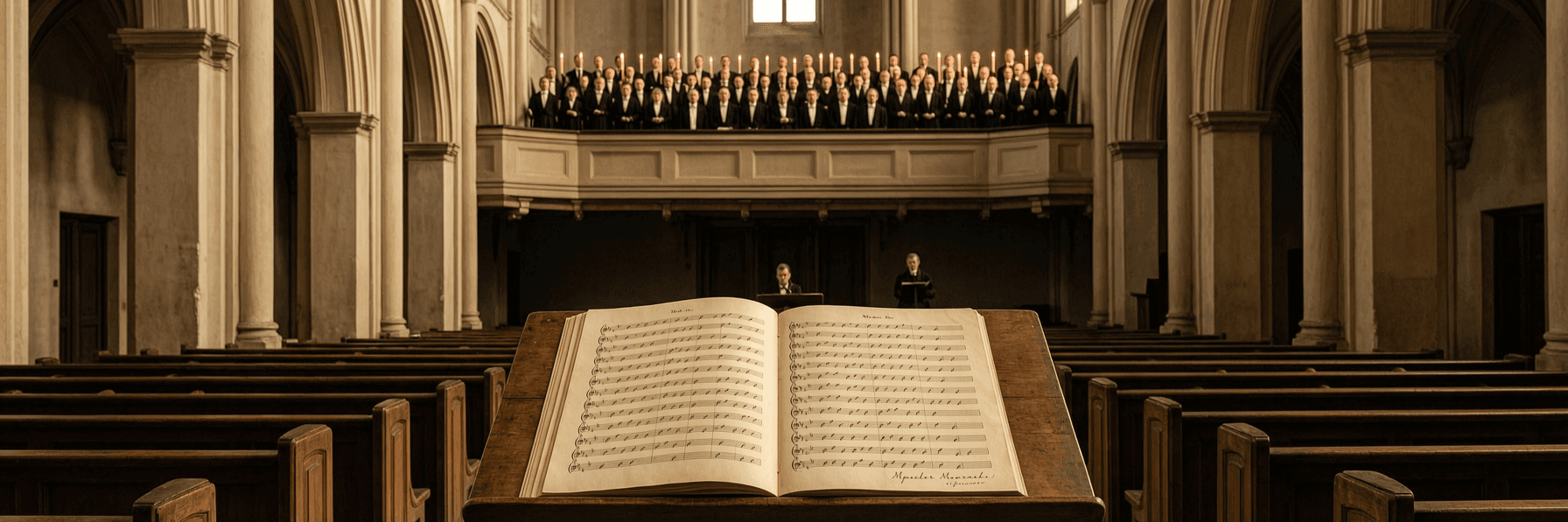
1770 — Writes out the Miserere from memory in Rome; Italian tours
1781 — Breaks with Archbishop Colloredo; moves to Vienna as freelancer
1786 — The Marriage of Figaro premieres in Vienna
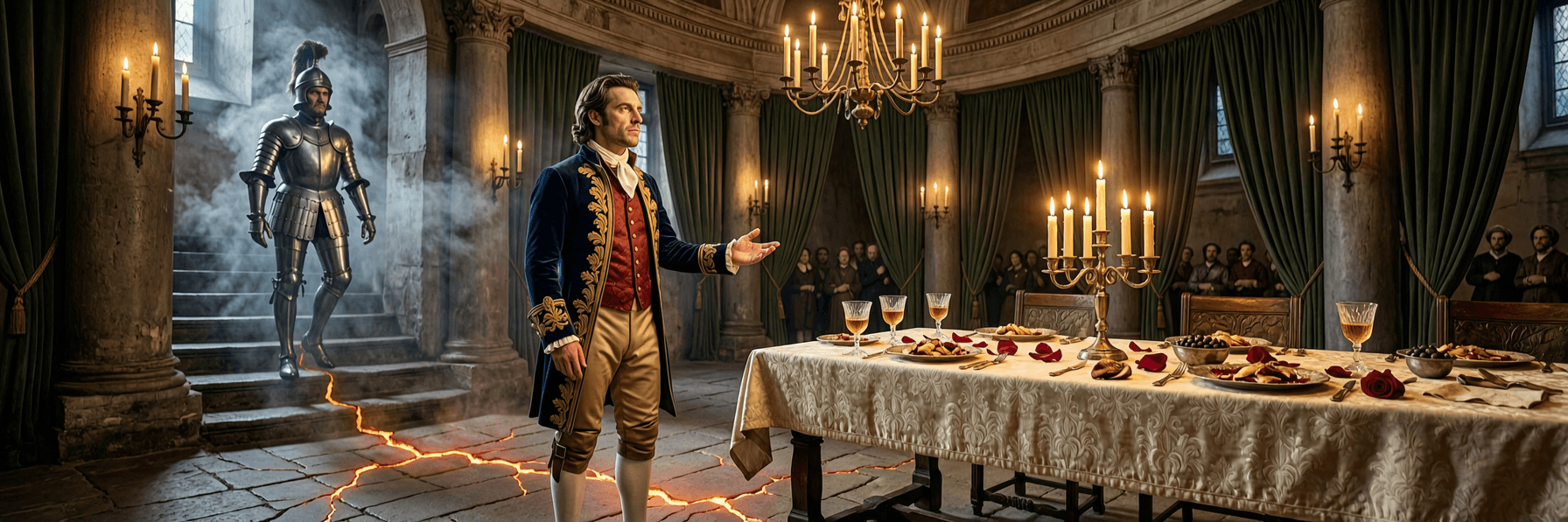
1787 — Don Giovanni premieres in Prague; Leopold Mozart dies
1791 — The Magic Flute premieres; Requiem commissioned; Mozart dies December 5